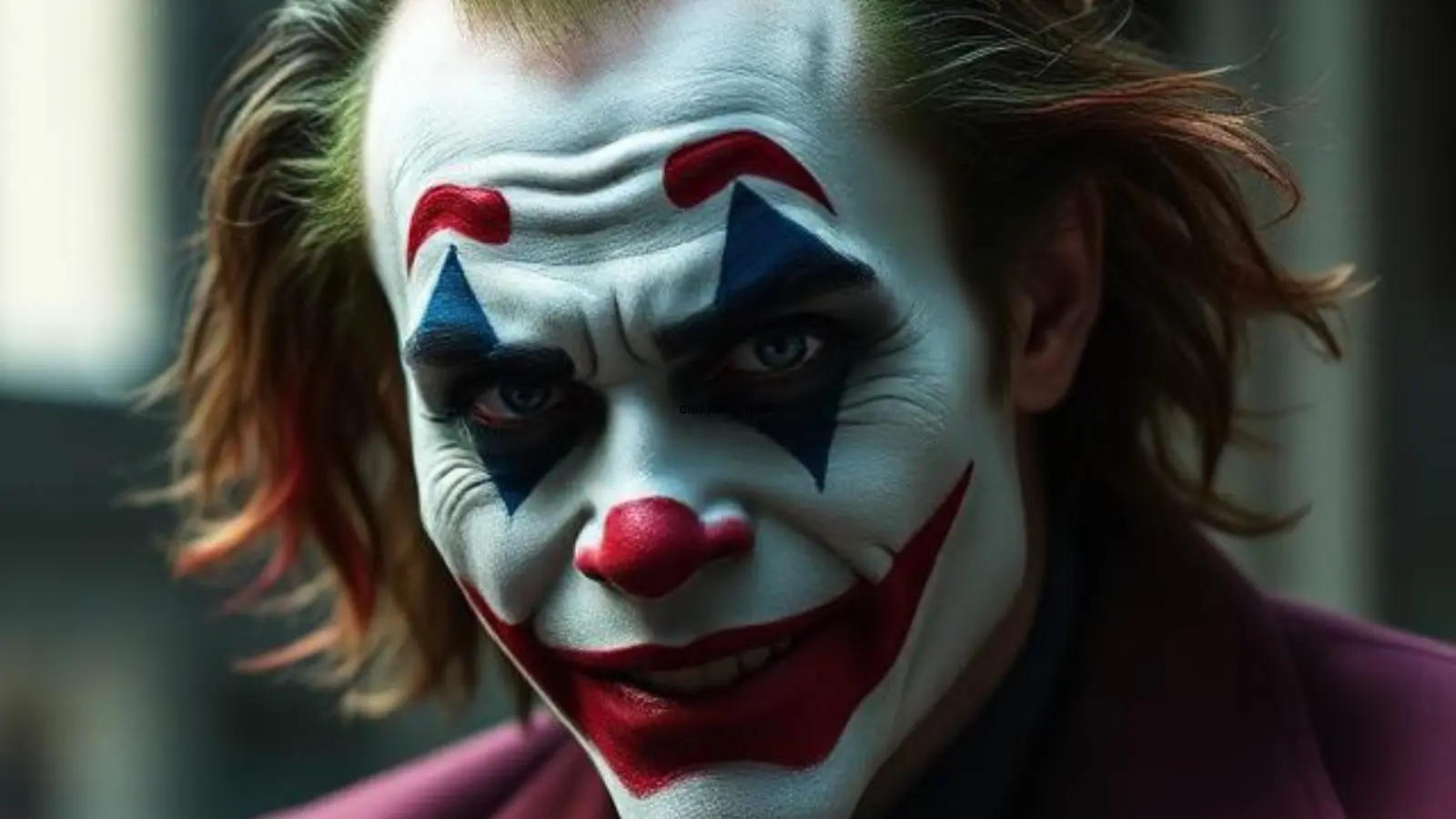
From the moment those chilling words first echoed across cinema screens, “Why so serious?” became more than just a movie quote it turned into a cultural mirror reflecting pain, chaos, humor, and the fragile edge of human sanity.
The Joker isn’t just a villain; he is a philosophy wrapped in chaos, a smile hiding trauma, and a question that refuses to die in pop culture.
People don’t just search “joker why so serious” for entertainment. They search it because they feel something underneath it curiosity about darkness, rebellion against order, and fascination with a character who laughs in the face of suffering.
This article breaks down that obsession layer by layer, blending psychology, storytelling, symbolism, and emotional intelligence so you can truly understand why this line still dominates global attention.
Joker Why So Serious — The Hidden Trauma Behind the Smile
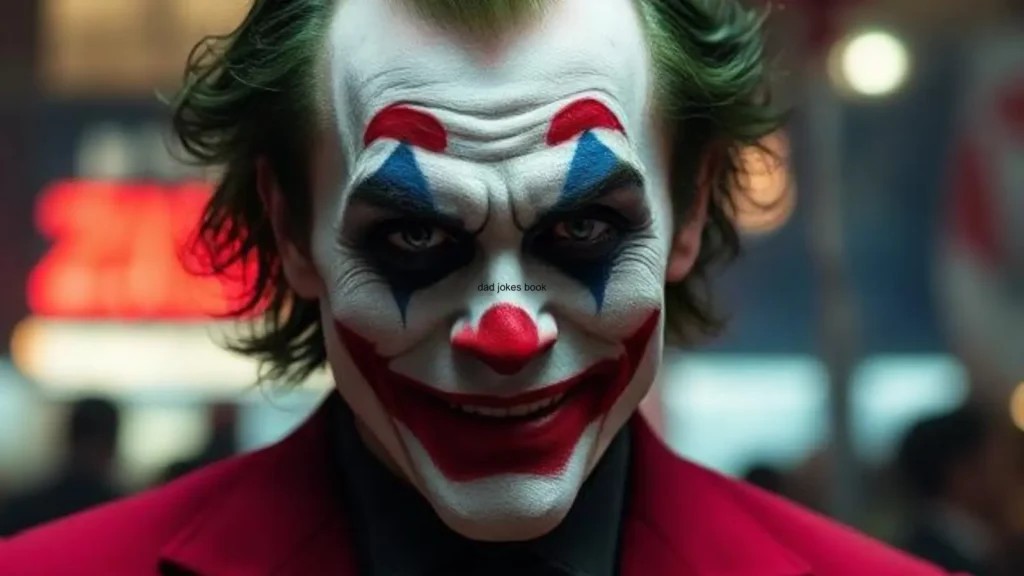
- 🧠 The Joker often represents deep psychological trauma masked as humor
- 🎭 “Why so serious” reflects coping through sarcasm and emotional detachment
- 🔥 His laughter hides unresolved pain and childhood instability
- 🕳️ Chaos becomes his therapy for a broken worldview
- 🎬 Films show him as shaped by society’s neglect and rejection
- 💔 His identity forms from abandonment and emotional invalidation
- 🧩 The mask of humor protects him from vulnerability
- 🪞 Viewers see reflection of suppressed emotional wounds
- ⚡ His unpredictability stems from fractured cognitive processing
- 🧠 Psychologically, he aligns with anti-social coping mechanisms
- 🎭 Humor becomes a shield against existential despair
- 🧨 Trauma transforms into destructive creativity
- 🕊️ He rejects healing, embracing chaos instead
- 🔍 The phrase symbolizes pain turned into philosophy
Joker Why So Serious — The Philosophy of Chaos and Control
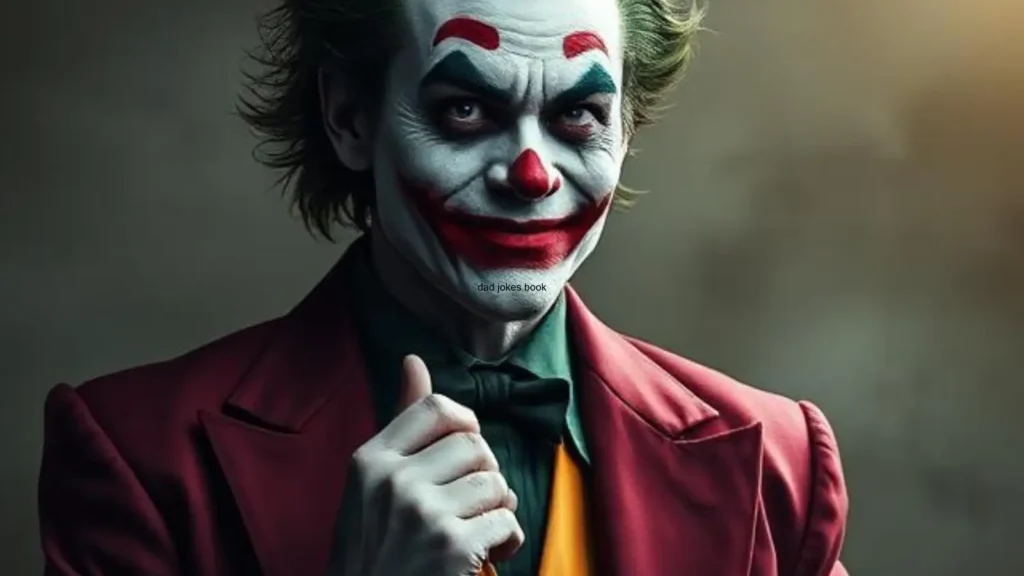
- 🌪️ Joker represents rejection of societal order and rules
- 🧠 “Why so serious” challenges structured thinking systems
- 🎯 Chaos is used as a form of control over fear
- 🔥 He believes rules are illusions created by fragile minds
- 🎭 Disorder becomes his personal ideology
- 🧩 He exposes hypocrisy in moral systems
- ⚖️ Justice is questioned through unpredictable actions
- 🕳️ Society’s structure is shown as fragile and performative
- 💣 Chaos reveals hidden truths about human behavior
- 🧠 Cognitive dissonance is intentionally triggered in others
- 🎬 He redefines power as unpredictability
- 🪞 Order collapses under psychological pressure
- ⚡ His philosophy thrives on emotional disruption
- 🔍 The line becomes a manifesto against seriousness itself
Joker Why So Serious — The Psychology of Humor in Darkness
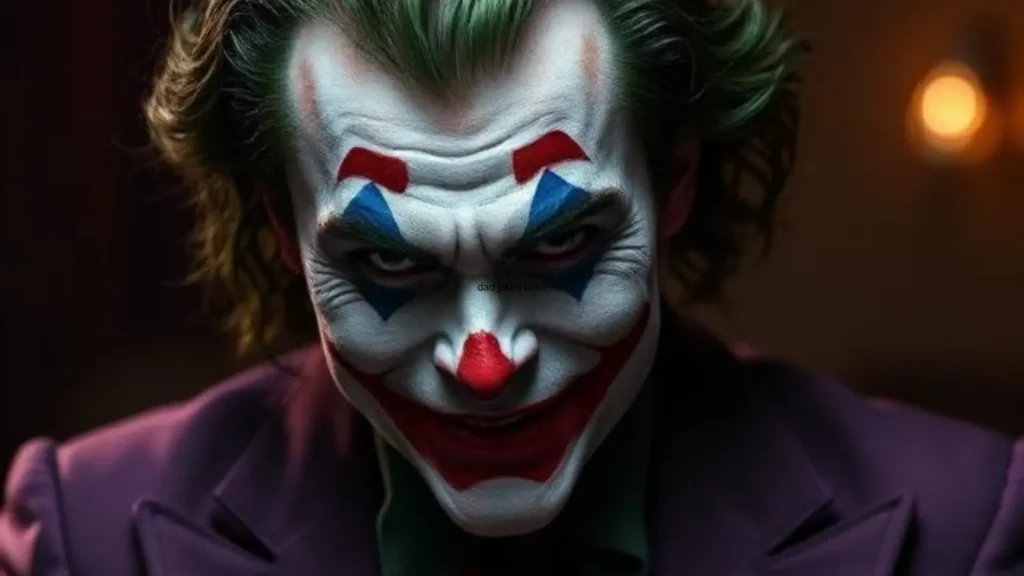
- 😂 Humor is used as a defense mechanism in trauma
- 🧠 Dark humor reduces emotional pain perception
- 🎭 Joker weaponizes comedy to destabilize others
- 💔 Laughter replaces emotional expression
- ⚡ Irony becomes a survival strategy
- 🧩 Psychological detachment increases resilience to fear
- 🕳️ Humor masks unresolved internal conflict
- 🎬 Audience experiences discomfort through comedic violence
- 🧠 Cognitive shock triggers emotional reflection
- 🔥 The joke becomes a psychological weapon
- 🪞 Viewers laugh while feeling uneasy simultaneously
- 💣 Humor dissolves moral boundaries temporarily
- 🎭 Emotional confusion strengthens impact
- 🔍 “Why so serious” reframes pain as entertainment
Joker Why So Serious — The Symbolism of the Broken Smile
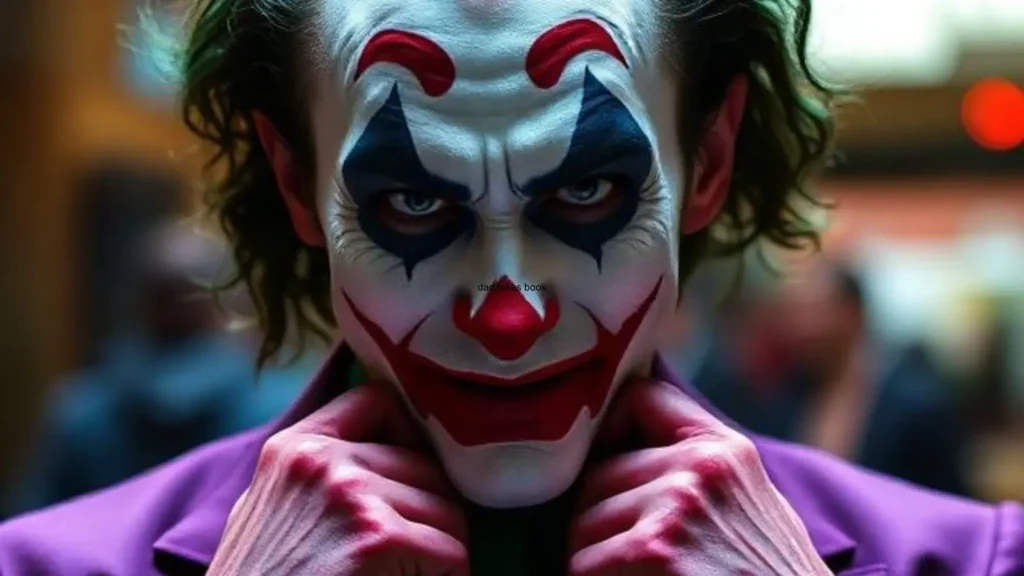
- 🎭 The smile symbolizes forced emotional masking
- 🧠 It reflects psychological fragmentation
- 💔 Happiness becomes artificially constructed
- 🪞 Society pressures individuals to appear fine
- 🔥 Joker exaggerates emotional performance
- 🧩 The grin hides internal chaos
- 🎬 Makeup symbolizes identity distortion
- ⚡ Smile contrasts violent behavior sharply
- 🕳️ Emotional suppression leads to breakdown
- 😂 Laughter becomes both weapon and shield
- 🧠 Facial expression replaces true emotion
- 💣 The smile confuses audience perception
- 🎭 It represents irony of suffering hidden in joy
- 🔍 “Why so serious” challenges authenticity itself
Joker Why So Serious — Cultural Impact Across Generations
- 🌍 The phrase became global internet culture
- 🎬 Memes transformed Joker into pop icon
- 🧠 Younger audiences relate to emotional chaos
- 🔥 Social media amplified its philosophical tone
- 🎭 It represents rebellion against seriousness culture
- 💔 Many use it to express emotional pain humorously
- 🪞 It reflects generational anxiety and stress
- ⚡ Fashion and art adopt Joker aesthetics
- 🧩 It influences music and storytelling styles
- 😂 Humor spreads through digital platforms rapidly
- 🧠 Psychology of memes increases emotional relatability
- 🎬 Film scenes remain widely quoted and reused
- 🌪️ Cultural identity blends with chaos imagery
- 🔍 “Why so serious” becomes timeless digital language
Joker Why So Serious — The Mind of Arthur Fleck Explained
- 🧠 Arthur represents social isolation turning into identity collapse
- 🎭 His laughter is neurological, not emotional
- 💔 Rejection accelerates psychological breakdown
- 🪞 Society fails to recognize mental illness signs
- 🔥 Fantasy becomes escape from trauma
- 🧩 Identity splits under emotional pressure
- 🎬 Reality distortion increases instability
- ⚡ Violence emerges as expression of helplessness
- 🕳️ Loneliness drives transformation into Joker persona
- 😂 Laughter becomes involuntary coping mechanism
- 🧠 Empathy deficit grows through neglect
- 💣 Systemic failure shapes his worldview
- 🎭 Persona replaces real identity completely
- 🔍 “Why so serious” becomes his rejection of pain reality
Joker Why So Serious — The Role of Society in Creating Chaos
- 🌍 Society plays a role in emotional collapse
- 🧠 Neglect fuels psychological instability
- 🎭 Systems fail vulnerable individuals
- 💔 Isolation increases emotional distortion
- 🔥 Poverty intensifies mental pressure
- 🧩 Social rejection builds resentment
- 🪞 Institutions overlook mental health warnings
- ⚡ Chaos becomes response to systemic injustice
- 🕳️ Lack of support structures worsens outcomes
- 😂 Humor hides social criticism
- 🧠 Behavioral breakdown is socially influenced
- 💣 Violence reflects structural failure
- 🎭 Joker becomes symbol of societal mirror
- 🔍 “Why so serious” questions collective responsibility
Joker Why So Serious — The Cinematic Genius Behind the Line
- 🎬 Writing transforms simple line into philosophy
- 🧠 Delivery enhances emotional impact dramatically
- 🎭 Acting creates unforgettable psychological tension
- 🔥 Lighting and music amplify darkness
- 💔 Scene structure builds anticipation perfectly
- 🪞 Cinematic framing isolates emotional intensity
- ⚡ Dialogue timing increases shock value
- 🧩 Minimalism strengthens meaning depth
- 🕳️ Silence contrasts chaotic energy
- 😂 Unexpected humor disrupts tension flow
- 🧠 Audience immersion intensifies emotional reaction
- 💣 Direction turns words into cultural symbol
- 🎭 Visual storytelling supports psychological depth
- 🔍 “Why so serious” becomes cinematic legacy
Joker Why So Serious — The Philosophy of Identity Collapse
- 🧠 Identity becomes fluid under trauma pressure
- 🎭 Joker rejects fixed personality structure
- 💔 Emotional breakdown leads to reinvention
- 🪞 Self-image dissolves into chaos
- 🔥 New identity emerges from suffering
- 🧩 Memory distortion reshapes personality
- ⚡ Multiple selves compete internally
- 🕳️ Reality perception becomes unstable
- 😂 Humor replaces authentic self-expression
- 🧠 Ego fragmentation increases unpredictability
- 💣 Identity loss creates emotional freedom
- 🎭 Persona becomes survival tool
- 🌪️ Chaos defines new existence
- 🔍 “Why so serious” rejects stable identity norms
Joker Why So Serious — The Dark Appeal of Antiheroes
- 🧠 Antiheroes reflect human imperfections honestly
- 🎭 Joker challenges traditional morality systems
- 💔 Viewers empathize with emotional pain
- 🪞 Villainy becomes psychologically relatable
- 🔥 Chaos feels liberating to suppressed emotions
- 🧩 Moral ambiguity increases engagement
- ⚡ Forbidden behavior creates fascination
- 🕳️ Darkness becomes storytelling attraction
- 😂 Humor softens violent perception
- 🧠 Cognitive curiosity drives interest
- 💣 Antiheroes break predictable narratives
- 🎭 Emotional complexity enhances depth
- 🌪️ Chaos symbolizes freedom from rules
- 🔍 “Why so serious” fuels antihero obsession
Joker Why So Serious — Internet Memes and Digital Evolution
- 🌍 Meme culture spreads Joker globally
- 🎬 Clips circulate across platforms rapidly
- 🧠 Humor adapts to modern attention spans
- 🔥 Edits intensify emotional exaggeration
- 💔 Memes express hidden emotional struggles
- 🪞 Internet reflects collective mental state
- ⚡ Viral content boosts cultural relevance
- 🧩 Remix culture reshapes original meaning
- 🕳️ Digital chaos mirrors Joker ideology
- 😂 Humor becomes coping mechanism online
- 🧠 Psychological relatability drives sharing
- 💣 Memes distort but preserve meaning essence
- 🎭 Identity expression happens through edits
- 🔍 “Why so serious” dominates meme language
Joker Why So Serious — Emotional Intelligence Behind the Madness
- 🧠 Emotion regulation failure shapes behavior
- 🎭 Joker lacks healthy coping systems
- 💔 Emotional suppression leads to explosion
- 🪞 Empathy is distorted or absent
- 🔥 Emotional intensity drives decisions
- 🧩 Cognitive control weakens under stress
- ⚡ Impulsivity replaces planning
- 🕳️ Emotional triggers dominate reactions
- 😂 Humor replaces emotional honesty
- 🧠 Awareness exists but is misdirected
- 💣 Emotional imbalance creates chaos
- 🎭 Expression becomes distorted communication
- 🌪️ Feelings override logic systems
- 🔍 “Why so serious” rejects emotional restraint
Joker Why So Serious — Why the Line Still Lives in Pop Culture
- 🌍 Timeless message keeps it relevant
- 🎬 Iconic delivery ensures lasting memory
- 🧠 Emotional relatability sustains interest
- 🔥 Meme culture keeps it alive
- 💔 It reflects universal human pain
- 🪞 Each generation reinterprets meaning
- ⚡ Simplicity enhances memorability
- 🧩 Philosophical depth adds layers
- 🕳️ Chaos resonates in unstable times
- 😂 Humor makes it widely shareable
- 🧠 Psychological depth attracts analysis
- 💣 Cultural symbolism grows over time
- 🎭 Villain becomes philosophical figure
- 🔍 “Why so serious” becomes eternal question
Joker Why So Serious — The Legacy of Chaos in Storytelling
- 🎬 Joker redefined villain storytelling forever
- 🧠 Chaos became central narrative device
- 🎭 Characters now embrace psychological depth
- 💔 Emotional realism increased in films
- 🔥 Dark themes gained mainstream acceptance
- 🧩 Villains became complex personalities
- ⚡ Moral ambiguity became standard
- 🕳️ Stories explore psychological breakdowns
- 😂 Humor and darkness blend seamlessly
- 🧠 Audience expectations evolved significantly
- 💣 Chaos is now storytelling tool
- 🎭 Emotional storytelling dominates modern cinema
- 🌪️ Antiheroes shape entertainment trends
- 🔍 “Why so serious” defines narrative evolution
FAQ — Joker Why So Serious Explained
1. What does “Joker why so serious” really mean?
It symbolizes rejection of emotional rigidity, showing how pain and humor can coexist. It challenges the idea that life must always be serious, exposing how chaos and laughter often hide deeper emotional wounds.
2. Why is the Joker obsessed with chaos?
Chaos represents freedom from rules, expectations, and societal judgment. For Joker, disorder becomes a way to expose hypocrisy and regain control over a world he feels rejected by.
3. Is Joker mentally ill or just philosophical?
He is often interpreted as both. Psychologically, he reflects trauma and instability, but philosophically, he represents resistance to structured morality and societal systems.
4. Why do people relate to “why so serious”?
Because it reflects real emotional struggles—stress, depression, and the pressure to appear “fine” even when life feels overwhelming or chaotic inside.
5. What is the psychological meaning behind Joker’s laughter?
It often represents a coping mechanism for trauma, emotional detachment, or neurological conditions, turning pain into uncontrollable humor responses.
6. Why did the line become so popular online?
Its simplicity, emotional depth, and meme adaptability made it perfect for internet culture, allowing users to express humor and pain simultaneously.
7. Is Joker a symbol of rebellion or destruction?
He represents both. He symbolizes rebellion against systems but also shows how unchecked emotional chaos can lead to destruction.
8. What makes Joker such a powerful character?
His emotional complexity, philosophical depth, and unpredictable behavior make him a mirror for human fears, pain, and curiosity about chaos.
9. How does society influence Joker’s behavior?
Neglect, isolation, and systemic failure contribute to his breakdown, suggesting environment plays a major role in shaping extreme psychological outcomes.
10. Why is “why so serious” still relevant today?
Because modern life is emotionally stressful, and the phrase captures the tension between societal pressure and the need for emotional release.
Conclusion — Joker Why So Serious and the Truth Behind the Chaos
At its core, “joker why so serious” is not just a line it is a psychological echo of human emotion.
It speaks to the moments when life feels too heavy, too structured, and too emotionally demanding.
The Joker becomes a symbol of breaking that structure, laughing through pain, and questioning why everything must always be serious.
And maybe that’s why it stays with us. Because deep down, everyone understands the feeling behind it even if they don’t admit it.
“Ethan Brooks shares hilarious dad jokes, trending memes, and laugh-out-loud comedy content on Humorliy.”