
Italian last names carry centuries of history, family stories, and regional flavor in just a few syllables.
Whether you’re tracing ancestry, naming a character, or simply curious about why so many end in vowels, these surnames reveal trades, landscapes, nicknames, and places.
Readers search for Italian last names to understand heritage, find inspiration, or uncover the stories behind common and rare options.
This guide delivers practical insight plus 210 unique surname ideas organized into fresh categories so you can explore with purpose.
Widespread Popular Italian Last Names Across Modern Italy
These everyday Italian last names appear frequently in records, phone books, and daily life from Milan to Palermo, offering familiar yet meaningful choices rooted in long-standing traditions.
- Rossi
- Russo
- Ferrari
- Esposito
- Bianchi
- Romano
- Colombo
- Ricci
- Marino
- Greco
- Bruno
- Gallo
- Conti
- Mancini
- Costa
Regional Diversity in Italian Last Names from Alps to Islands
Geography shapes Italian last names dramatically; northern, central, southern, and island forms often signal origin through endings, prefixes, and local linguistic traces.
- Lombardi
- Veneto
- Pugliese
- Siciliano
- Sardo
- Toscano
- Emiliani
- Calabrese
- Abruzzese
- Ligure
- Piemontese
- Campano
- Marchigiano
- Umbro
- Friulano
Occupational Roots of Traditional Italian Last Names
Many Italian last names began as job descriptions, capturing blacksmiths, millers, tailors, and other trades that defined family identity for generations.
- Ferraro
- Fabbri
- Molinari
- Sarti
- Pastore
- Contadino
- Carbone
- Pellegrini
- Muratori
- Fornari
- Tessitori
- Calzolai
- Barbieri
- Cuochi
- Pescatori
Nature and Landscape Inspired Italian Last Names
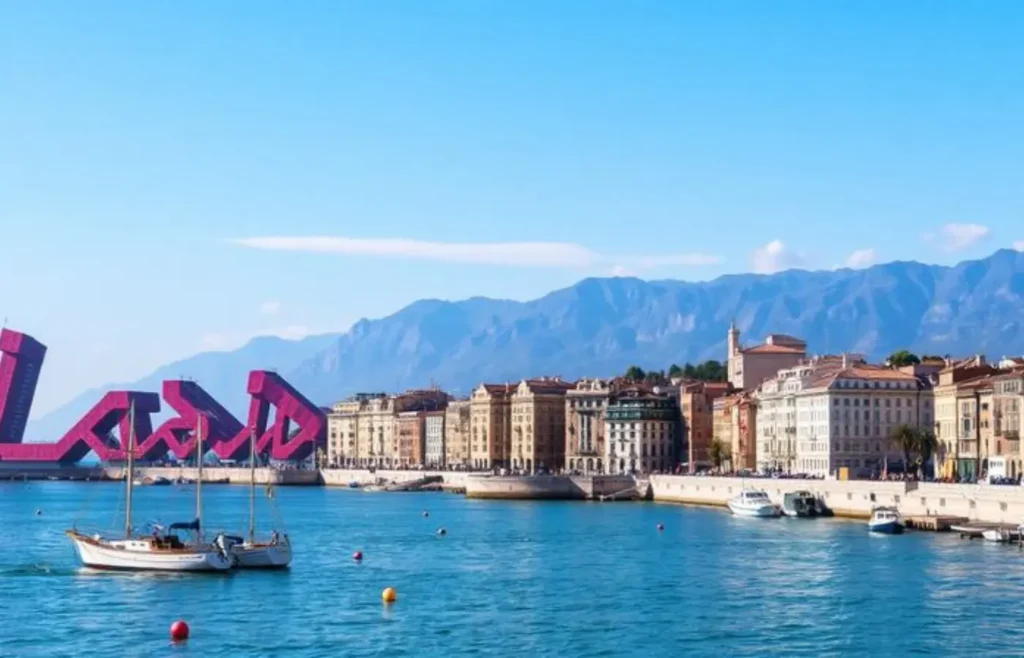
Hills, rivers, forests, and wildlife inspired countless Italian last names that still evoke the peninsula’s varied terrain and natural beauty.
- Monti
- Valle
- Fiume
- Boschi
- Collina
- Lago
- Selva
- Prato
- Riva
- Monteverde
- Oliveto
- Quercia
- Fonte
- Campo
- Serra
Patronymic Traditions in Italian Last Names from Given Names
A large share of Italian last names simply mean “son of” or descend from a father’s or ancestor’s first name, creating clear lineage markers.
- Di Giovanni
- De Luca
- D’Angelo
- Di Stefano
- De Marco
- Di Pietro
- D’Amico
- Di Lorenzo
- De Santis
- Di Matteo
- D’Agostino
- Di Francesco
- De Rosa
- Di Carlo
- D’Alessandro
Descriptive Nickname Origins of Italian Last Names
Physical traits, habits, or personalities often turned into lasting Italian last names that painted vivid portraits of early bearers.
- Ricciardi
- Biondi
- Neri
- Grossi
- Piccoli
- Allegri
- Forti
- Gentile
- Cortese
- Bellini
- Rossiello
- Bruni
- Magri
- Luzi
- Sorrenti
Prestigious Noble Italian Last Names from Historic Families
Certain Italian last names still carry echoes of aristocracy, old titles, and influential houses that shaped regional and national history.
- Medici
- Sforza
- Borghese
- Colonna
- Orsini
- Della Rovere
- Gonzaga
- Este
- Visconti
- Farnese
- Barberini
- Chigi
- Pallavicini
- Spinola
- Doria
Distinctive Rare Italian Last Names Seldom Encountered
Less common Italian last names stand out for their uniqueness and often preserve older dialects or highly localized origins.
- Aguglione
- Bellagamba
- Cantarutti
- Diotallevi
- Incognito
- Legista
- Zanutti
- Favaloro
- Mongiu
- Barbarigo
- Troisi
- Amoruso
- Tripodi
- Zuccaro
- Piras
Northern Style Italian Last Names with Characteristic Endings
Northern Italian last names frequently favor plural -i endings and certain suffixes that reflect regional linguistic patterns.
- Bianchini
- Rossini
- Ferraris
- Contini
- Martinelli
- Galli
- Moretti
- Rizzi
- Lombardini
- Colombini
- Ricciardi
- Brunetti
- Costantini
- Marini
- Gentiletti
Southern Flavor Italian Last Names Reflecting Local Dialects
Southern Italian last names often feature singular -o endings and distinctive forms shaped by Neapolitan, Sicilian, and other southern speech.
- Espositi
- Russu
- Ferraro
- Romanu
- Brunetto
- Gallu
- Costanzo
- Giordanu
- Rizzu
- Martinelli
- Mancinu
- Costu
- DeLuca
- Amato
- Vitale
Storytelling Potential of Evocative Italian Last Names
Writers and creators turn to Italian last names for characters because the sounds and histories instantly suggest personality, setting, or conflict.
- Valentino
- Salvatore
- Benedetti
- Caruso
- Ferrante
- Morelli
- Santoro
- Palmieri
- Rinaldi
- Graziano
- Leone
- Ventura
- Martelli
- Parisi
- Silvestri
Culturally Influential Italian Last Names in Arts and Sports
Italian last names have traveled the world through artists, athletes, designers, and public figures who brought them global recognition.
- Ferrari
- Armani
- Versace
- Pavarotti
- Fellini
- Rossellini
- Agnelli
- Berlusconi
- Vialli
- Buffon
- Totti
- Chiellini
- Gattuso
- Pirlo
- Maldini
Place-Based Toponymic Italian Last Names Linked to Locales
Many Italian last names simply record a town, region, or landmark of origin, acting as geographic time capsules.
- Romano
- Napoli
- Milano
- Firenze
- Venezia
- Palermo
- Genova
- Torino
- Bologna
- Catania
- Bari
- Verona
- Padova
- Pisa
- Siena
Symbolic Meanings Hidden in Beautiful Italian Last Names
Beyond sound and origin, many Italian last names carry poetic or symbolic meanings that still resonate with modern families.
- Amato
- Felice
- Speranza
- Grazia
- Pace
- Luce
- Stella
- Fiore
- Aurora
- Serena
- Vita
- Cuore
- Sogno
- Allegria
- Benedetto
Frequently Asked Questions
What is the most common Italian last name?
Rossi ranks as the most widespread Italian last name overall, with Russo as its primary southern counterpart; both originally referred to red hair or complexion.
Do Italian last names indicate region of origin?
Often yes. Endings in -i tend to appear more in the north and center, while -o forms are more frequent in the south. Prefixes like Di or Da and certain suffixes can also point to specific areas.
How did most Italian last names originate?
They typically grew from four main sources: a parent’s given name (patronymic), an occupation, a physical or personality description, or a place of origin.
Why do so many Italian last names end in a vowel?
Italian phonology favors open syllables ending in vowels. This linguistic pattern carried over into surnames, making vowel endings the norm across most regions.
Can Italian last names change over generations?
Yes. Immigration, dialect shifts, clerical recording errors, and deliberate simplification in other countries have produced many spelling variations of the same original name.
Are there Italian last names that do not end in a vowel?
A minority exist, especially among families with foreign influence, alpine regions, or older forms, but pure vowel endings remain the strong majority.
How can I research the meaning of my Italian last name?
Start with regional surname dictionaries, civil and parish records, and sites that map name distribution. Knowing the approximate province of origin greatly improves accuracy.
Conclusion
Italian last names form a living archive of the country’s history, geography, and everyday life.
From the most common choices heard on every street to rare gems that few families still carry, each name offers a window into ancestry and identity.
Whether you are filling a family tree, building fictional characters, or simply enjoying the music of the language, the variety and depth of Italian last names reward curiosity.
Use the categories and ideas above as a starting point, then dig deeper into the specific stories that belong to the names that speak to you

“Read funny stories, prank ideas, and viral humor articles written by comedy enthusiast Mason Carter.”